Haldi Photography in Ahmedabad: Colour, Comfort and Candid Moments
October 12, 2026
Sangeet Photography in Ahmedabad: Planning Stage and Guest Coverage
October 12, 2026Mehendi Photography in Ahmedabad: A Useful Guide for Couples
A mehendi function often has two rhythms. The bride may be seated for a long application while relatives and friends move through conversations, music, food and smaller moments nearby. Good photography planning respects both. It records the mehendi itself without making the bride interrupt the artist repeatedly, and it notices the celebration beyond her chair.
If you are planning mehendi photography in Ahmedabad, share more than the event start time. The photographer needs to understand when application begins, whether there is a programme, when family members will arrive and how portraits can fit comfortably. The advice below helps you plan a personal record of the function while keeping the practical needs of fresh mehendi in mind.
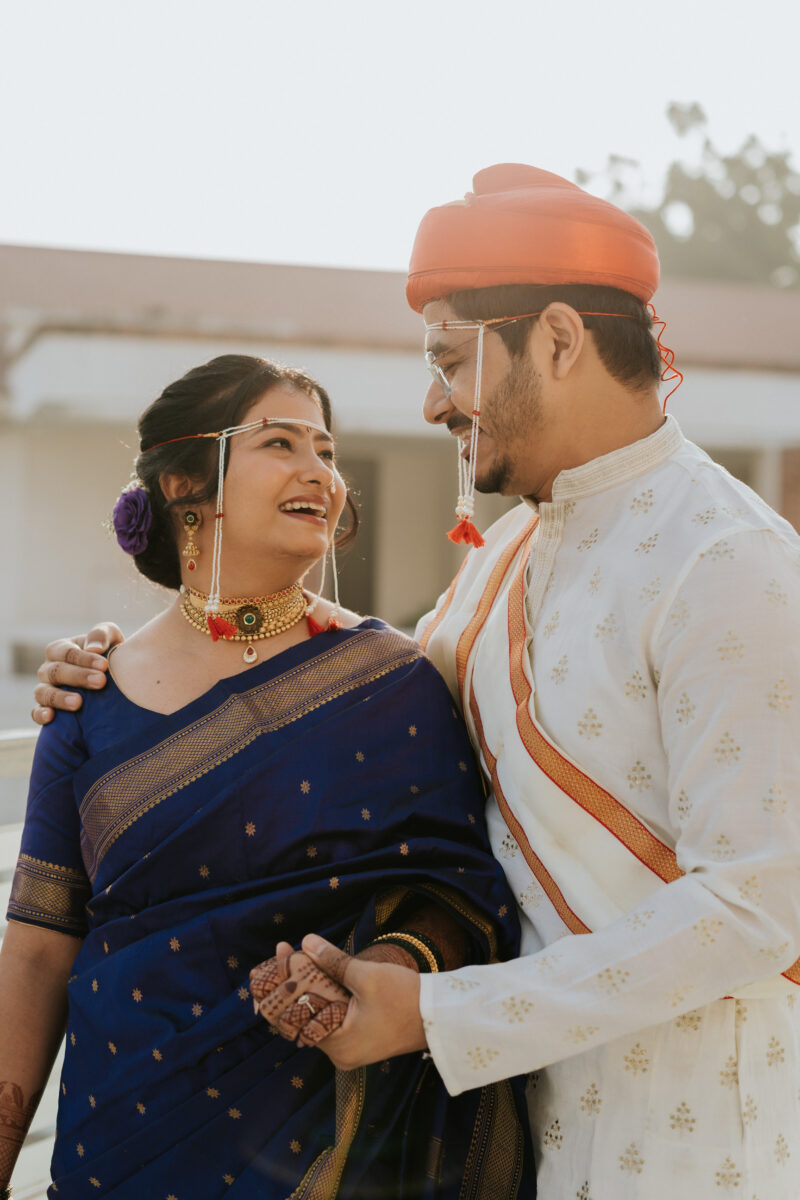
Coordinate the photography window with the mehendi artist
Ask the artist for a realistic application plan and share it with the photographer. Detailed bridal mehendi may occupy a substantial part of the event, but the duration depends on the design and artist’s process. Avoid promising a fixed finishing time without checking. The photography plan should follow the actual arrangement.
Decide which application stages you would like recorded. You may want close details, the artist working and family members sitting beside you. These can often be photographed without interruption if access and light are suitable. Ask the artist what position is comfortable and where the photographer can stand without crowding the work area.
If the celebration starts while application continues, explain how guest coverage should be handled. One photographer concentrating closely on the design cannot simultaneously follow every interaction elsewhere. Discuss your priorities and the coverage arrangement rather than expecting the word candid to solve that practical limitation.
Set up a seat that works for the bride and the pictures
The chair should support comfortable sitting and give the artist enough room. Decorative seating can be attractive, but check the height, armrests and foot space before finalising it. If legs or feet are part of the application, make sure the setup suits that work rather than simply matching a reference photograph.
Position the chair where the bride can interact with guests without being surrounded by a constant crowd. A small clear area helps the artist, photographer and helpers move. Family members should still be able to sit nearby or join briefly. A practical layout can feel welcoming without making every greeting obstruct the application.
Consider the background from the seated position. Food service, storage areas or open passageways may appear behind the bride. If the layout is flexible, a modest shift can improve the view. Ask the photographer about light and angles before moving anything, and keep the artist’s comfort as part of the decision.
Plan clothing and accessories around fresh mehendi
Choose an outfit that is easy to sit in and practical for the planned application. Discuss sleeves, closures and footwear with the artist if they affect access. A look that requires frequent adjustment may be difficult once hands are occupied. The most useful choice is one you can comfortably wear through the event.
Complete essential preparations before application when possible. If you want jewellery, floral accessories or a particular hairstyle in portraits, coordinate those details with the people helping you. Don’t assume you can manage small fastenings or change clothes easily with fresh mehendi. Assign a trusted helper for ordinary tasks such as water or phone access.
Tell the photographer whether you want full-outfit portraits before application or images after the design is complete. These are different opportunities. Completed-design pictures depend on the artist’s advice and your comfort. Avoid rushing the process or moving hands into awkward positions merely to copy an image saved online.
Photograph the design clearly and personally
Explain any meaningful design details that you want documented. Initials, symbols or family references may be easy to miss unless you point them out. The photographer does not need a complete explanation of every pattern, but a short note helps prioritise close photographs that will matter to you later.
Ask for a mix of clear detail pictures and photographs that include your face or another relationship. A close view shows the design; a parent admiring it or the couple looking together tells a different story. Your preference may lean towards one or both. Mention it before the event so the team can plan accordingly.
Follow the artist’s guidance about handling fresh mehendi. Photography should not require actions that damage the application or create discomfort. If a finished-detail photograph is better at another point, discuss that option. A sensible plan protects the work and avoids making the bride hold uncomfortable positions for long periods.
Connect the application schedule with guest coverage
The photographer needs to know what happens around the bride. A family gathering with no stage programme needs a different approach from an event with performances and games. Write down the confirmed activities and mark which are flexible.
| Part of the function | Useful information | Coverage priority |
|---|---|---|
| Early preparation | Outfit ready point and seating setup | Portraits before hands are occupied |
| Application | Artist’s sequence and working access | Design, process and nearby relationships |
| Guest arrivals | Important relatives and arrival window | Greetings and family presence |
| Programme | Performers, games and coordinator | Actions and audience reactions |
| Completed design | Artist’s advice and bride’s comfort | Clear details without disrupting care |
Use these details when discussing wedding function photography coverage. Clarify whether the photographer is booked for the whole event or a focused window. If a later programme matters more than the early application, say so before the scope is agreed.

Make space for the guests’ own story
Mehendi functions can offer unhurried family interactions that are difficult to catch during the main wedding. Tell the photographer about relatives who are meeting after a long time or friends with an important role. Context helps the team notice meaningful conversations without asking everyone to arrange them.
Don’t let all guest photography become a queue at the bride’s chair. Formal pictures are useful, but some groups can be photographed nearby or at another point. This reduces crowding and allows the bride to enjoy conversations while the artist continues working. A coordinator can bring essential relatives forward when appropriate.
Review TK Solanki wedding stories to discuss whether you prefer a lively event record, quieter family moments or a balance. Photographic direction should suit your gathering. A small home mehendi does not need to imitate a large stage event to have a strong personal story.
Protect comfort, light and realistic transitions
If the function is outdoors, plan shade and a workable backup with the organiser. Ask the photographer to assess the seating light at the relevant time. Guests’ comfort and the artist’s visibility matter together. Avoid moving the bride constantly between decorative areas once application has begun.
For an evening or indoor event, tell the team about the room and decorative lighting. Application details may require clearer light than a mood-lit background provides. The artist and photographer can discuss their needs before the day. This is easier than trying to rearrange the room while guests are arriving.
Allow a realistic transition into dinner, rest or another function. The bride may need assistance and should not be held for endless extra poses. If photography time becomes limited, prioritise the completed design, essential relationships and agreed guest coverage. Optional references can wait when they conflict with the practical care of the mehendi.
Use programme pauses for the right photographs
A pause between performances or games can be useful for family photographs, but check whether it also suits the artist and bride. The bride may need to remain in the same position even when the programme stops. Guests can sometimes gather nearby for a picture without requiring her to stand or move. Choose the groups that matter most and let the photographer suggest a comfortable arrangement. If the groom is arriving later, make that clear rather than holding everyone for an uncertain time. The family coordinator can check actual availability and bring people forward when the setup is ready. Avoid using every quiet moment for another photo request. Some pauses should simply allow conversation, food or rest. A planned balance gives you the necessary record while preserving the relaxed character that makes a mehendi function enjoyable.
Share the artist’s contact with permission so practical questions can be resolved directly. Keep the bride informed of agreed changes without making her responsible for relaying every instruction between the teams.
Frequently asked questions
Should portraits happen before or after application?
Both can serve different purposes. Before application is often simpler for full-outfit photographs. Afterwards can show the finished design. Discuss the artist’s process and your preferences to decide which opportunities fit the schedule.
Can the groom be included in mehendi photographs?
Yes, if he is attending and the family wants that coverage. Confirm when he will arrive and what moments matter. Don’t schedule a couple session during a stage of application that needs the bride to remain still.
What if application takes longer than expected?
Tell the photography lead and programme coordinator. The team may adjust guest coverage or move detail pictures to a suitable point. Confirm any extra coverage arrangement rather than assuming the original finish time automatically changes.
Share your mehendi photography priorities
Send your Ahmedabad venue, application start, function programme and important family details through the TK Solanki contact page. Mention whether you want preparation portraits, close design photographs and guest coverage. A brief that includes the artist’s working plan helps photography fit naturally into your mehendi instead of competing with it.