
One-Day Pre-Wedding Shoot in Ahmedabad: A Realistic Itinerary
October 12, 2026
Camera-Shy Couples: A Natural Pre-Wedding Shoot Guide in Ahmedabad
October 12, 2026
Pre-Wedding Outfits in Ahmedabad: Colours, Fabrics and Comfortable Choices
Your pre-wedding outfits should let you move, sit and spend time together without constant adjustments. In Ahmedabad, the setting and season can make those practical choices especially relevant. A dramatic outfit may look lovely in a reference image but become uncomfortable during walking, travel or a session in an exposed location.
Start with clothes that suit your personality and the photographs you want. Then check how they work together, against your chosen background and across the planned itinerary. You do not need matching outfits or a different look at every stop. Thoughtful colour, fit and a manageable change plan can give your gallery plenty of variety.
Choose the mood before buying clothes
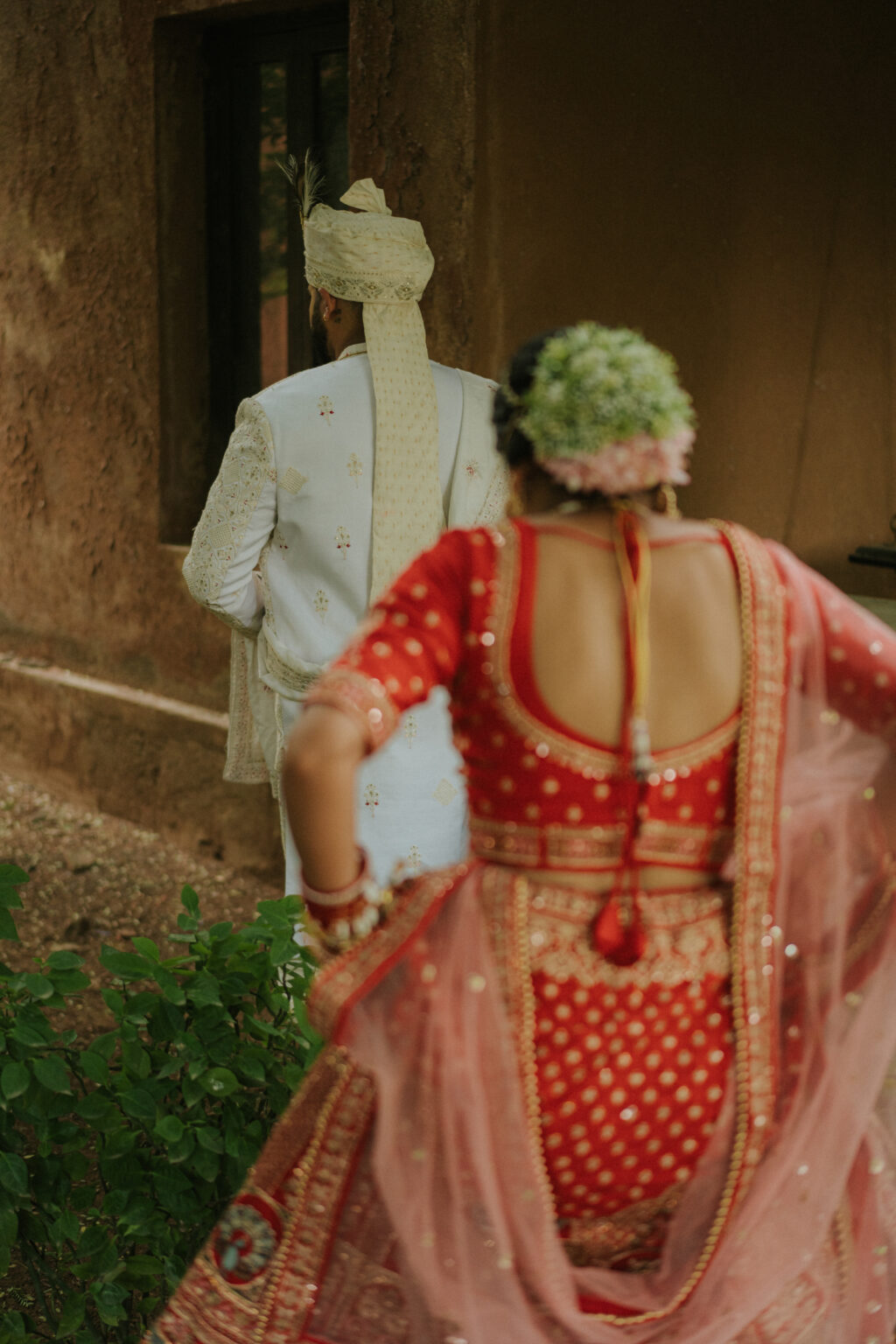
Decide whether your session will feel casual, traditional, formal or a mixture. An everyday look can suit a relaxed city story, while a more dressed-up look may fit a quieter portrait sequence. Explain your preference to the photographer before shopping. The styling should support the session rather than forcing the entire plan to revolve around an outfit.
Look at what you already own. Clothes connected to your life can feel more personal than a costume selected only because it appears in other pre-wedding photographs. If you want something new, choose a piece you can wear comfortably and confidently. A useful test is whether you would still like the outfit if there were no camera involved.
Make one complete outfit record
Photograph each complete outfit at home and label it by the planned sequence. Include the shoes, jewellery and any jacket or dupatta. Send those images to the photographer rather than separate product screenshots that do not show how the pieces work together. This also helps you spot a missing item before packing.
If an outfit is hired, confirm the collection and return arrangements and ask about care restrictions. Make sure there is enough time for a fitting before the shoot. A garment that arrives at the last moment may need adjustments you cannot complete that morning. Check whether accessories are included and what condition they need to be returned in.
Think about who will help if a look needs assistance. A complicated fastening or drape may be difficult to manage alone in a changing room. Tell that person the outfit order and keep the relevant items together. Do not assume the photography team will also act as a styling team unless that service has been agreed.
For a final check, sit beside your partner in both looks and take a simple photograph. Notice whether the levels of formality feel compatible and whether either outfit limits your posture. Make small changes you are comfortable with; there is no need to redesign the whole look after every suggestion. The aim is a prepared choice you can stop thinking about once the session begins.
Coordinate colours without dressing identically
Choose colours that sit comfortably together, then compare the actual outfits side by side. You might use related muted shades, one stronger colour with a quieter companion or two complementary looks. There is no single palette that every couple must follow. The important point is that neither outfit distracts from the other unintentionally.
Send photographs of the clothes to your photographer in ordinary light. Mention the planned setting. A colour that stands out against one background may blend into another. Check large patterns, logos and lettering if you want attention to stay on your faces. Small personal details can work beautifully, but several competing visual elements may make the final image feel busy.
Test fabric and movement
Try walking, sitting and raising your arms in each outfit. Check whether the fabric pulls, becomes transparent in bright light or needs repeated rearranging. If you plan movement photographs, make sure you can move comfortably without risking damage. Practical rehearsal at home is easier than discovering a problem after arriving at the location.
Look at how the outfit creases during a car journey. A garment that needs careful steaming may require a protective cover and a place for final preparation. Ask your stylist or clothing provider about suitable care. Avoid relying on heavy editing to remove every fold. Natural clothing movement is part of photographs, while preventable preparation problems can take time away from the session.
Check fit and underlayers in advance
Complete alterations before the shoot and try the whole look together. Shoes can change the length of trousers or a gown, and jewellery can change how a neckline sits. Check buttons, hooks and fastenings. Carry any necessary outfit-specific items together so the change does not stop because one small piece is missing.
Consider underlayers and comfort in the positions you may use. Some clothing looks secure while standing but shifts when sitting or walking. You should feel comfortable with the amount of skin shown and the photographer should know any boundaries. There is no obligation to use a style that makes you self-conscious just because it is popular in reference photographs.
Treat footwear as part of the plan
Check the surfaces at your location before committing to delicate or difficult footwear. Steps, uneven ground and long walks may make some shoes impractical. You can carry comfortable shoes for transfers and change for photographs if that suits the setting. Make sure someone is responsible for the spare pair and the bag.
Break in new shoes before the session. An outfit can look elegant while still allowing you to move naturally. If a garment hides the shoes, discuss whether a more comfortable choice can be used for some sequences. For visible footwear, choose something that fits the visual look and your ability to walk safely. Discomfort tends to show in posture and expression.
A practical outfit selection table
| Check | Try before the shoot | Possible adjustment |
|---|---|---|
| Colour | Compare both outfits in daylight | Simplify one look if colours compete |
| Movement | Walk, sit and turn together | Choose a better fit or easier silhouette |
| Fabric | Check creasing and transparency | Plan care and suitable underlayers |
| Footwear | Walk on a similar surface | Carry a comfortable transfer pair |
| Change | Time a complete outfit change | Reduce accessories or reserve more time |
Use the checks for each look rather than assuming the second outfit will be easy because the first one is. Formal clothes often need more preparation than casual clothes. A quick rehearsal also helps you decide which look should come first in the session.
Connect clothing to the season and setting
Ask your photographer about the proposed shoot conditions and look at the forecast close to the date. For warmer conditions, choose fabrics and layers you can tolerate while moving and waiting. For cooler starts, carry a layer you can remove for photographs. Do not depend on an outfit choice that only feels comfortable for a few minutes.
Respect the character and requirements of the location. Religious or culturally sensitive settings may need particular clothing choices, and private properties may have their own rules. Confirm directly where relevant. The Ahmedabad location guide can help you think about settings, but your final styling should follow confirmed access conditions and your own comfort.
Keep the outfit change plan small
Ask where each change will happen and whether the space is private and available during your booking. Never build the schedule around an unconfirmed facility. If changing is difficult, one main outfit with a simple variation may be more practical than several complete looks. A jacket or accessory can add variety without interrupting the whole session.
Pack by outfit, with jewellery, shoes and other pieces labelled together. Keep used items separate so you do not mix them with the next look. Discuss the change count within your pre-wedding photography plan. More changes reduce time for photographs unless the coverage and facilities are adjusted accordingly.
Use accessories with a clear purpose
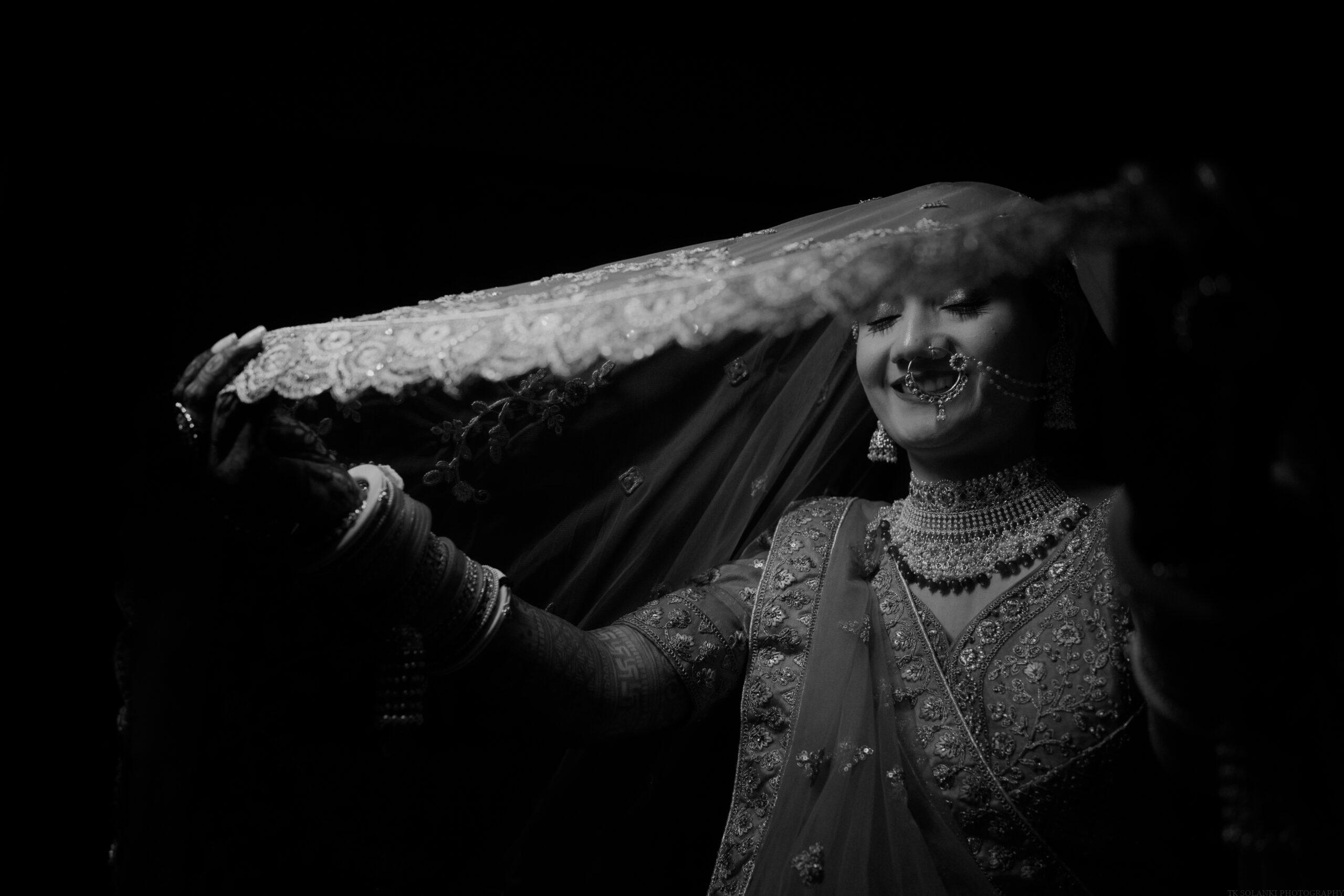
Choose accessories that you enjoy wearing and that belong to the look. Jewellery can add a personal detail, but very heavy pieces may become tiring. Props should also have a reason. If an object matters to your story, tell the photographer how you would like it included. Carrying several unrelated props often adds work without adding meaning.
Check the complete look in a simple phone photograph before the session. Look at the proportions and whether anything draws attention away from your face. This is not about judging your appearance; it is about noticing details you may want to adjust while there is time. Keep final decisions yours rather than accepting every opinion from friends.
Keep a small repair kit only if you know how to use it safely. A spare fastening or familiar clothing accessory may help, but major adjustments should be completed before the shoot.
Frequently asked questions
Do our outfits need to match?
No. Coordinating colours and levels of formality is usually enough. Wear clothes you both feel comfortable in and compare the complete looks together before the shoot.
How many outfits should we bring?
Base the number on your coverage, facilities and change time. A small number of well-planned looks can be more useful than several changes that leave you rushing between photographs.
Can we wear ordinary clothes?
Yes. Everyday clothing can suit natural photographs and movement especially well. Choose pieces with good fit and explain the relaxed mood you want to the photographer.
Plan outfits around your session
Send your shoot date, tentative setting and photographs of the outfits you are considering. Mention footwear concerns, change requirements and the style you prefer. Contact TK Solanki to discuss an Ahmedabad pre-wedding plan where clothes, locations and photography time work comfortably together.