Summer Pre-Wedding Photography in Ahmedabad: Plan for Comfort
October 12, 2026
Daytime Wedding Photography in Ahmedabad: Planning Around Natural Light
A daytime wedding in Ahmedabad can give you clear expressions, lively colours and photographs that feel close to how the celebration actually looked. But an open lawn at noon, a covered mandap and a bridal room beside a large window are three very different lighting situations. Booking a morning ceremony does not automatically mean every photograph will have soft natural light.
The useful planning question is where each part of the wedding will happen, and what the light will be doing there. This guide explains how to work with your venue, decorator and photographer so that family comfort and the ceremony remain central while portraits fit sensibly around them.
Look at the actual ceremony position
Ask the venue to show you the precise mandap position, the couple’s seating direction and the route guests will use. A broad photograph of an empty property tells you little about the light on two faces beneath a canopy. If you can visit near your planned ceremony time, notice where shadows fall and whether guests will be looking towards bright sunlight. Conditions may differ on the wedding date, so use the visit as a planning reference.
A roof can soften direct sunlight, but openings at its sides may create bright patches across the seating area. Dark fabric can also reduce the available light. Share the decorator’s drawing with the photographer before the structure is finalised. Small adjustments to the seating direction may be easier at this stage than after chairs, flowers and ritual arrangements are in place.
Keep a balanced list of photographs
Write down a few daylight-specific photographs you would enjoy: a wide view showing the ceremony setting, a close portrait in shade and a family photograph with the venue in the background. Then leave room for the wedding itself. If the list becomes too detailed, the photographer may spend more time moving between requested positions than watching the people who make the day meaningful.
For example, if a parent is helping arrange the couple’s clothing before the ceremony, that moment may matter more than a second photograph of an empty decoration corner. Tell the team who is important to you and which relationships you want reflected in the gallery. This gives them useful priorities when several things happen at once. Keep reference images as guidance rather than a demand for matching sunlight, backgrounds and expressions. Your own wedding will have its own conditions and its own moments.
Make shade part of the guest plan
Families often arrange shade for the couple and forget the relatives sitting nearby. If parents are outside the shaded area, the photographer may need to handle very different brightness levels within one frame. Think about the whole ceremony group. Comfortable seating also helps elders stay involved instead of moving away from an exposed corner halfway through a ritual.
Shade should be practical rather than dependent on one tree or a narrow strip beside a wall. Ask where guests can rest between activities and whether that area remains usable during the event. Water access, a sensible walk to the ceremony and space for people with mobility needs matter more than finding a perfectly symmetrical backdrop. A comfortable family is easier to photograph naturally.
Reserve short portrait windows
Daylight portraits do not need to become a separate production in the middle of your wedding. Plan a short session when both of you are ready and before the next fixed ceremony commitment. Tell the makeup artist and a family coordinator why this small gap exists. Without that explanation, the gap often gets absorbed by arrivals, jewellery adjustments or a quick meeting with relatives.
Ask the photographer to identify a nearby shaded portrait spot and an indoor alternative. Walking across a large property in wedding clothes can consume more time than the photographs themselves. If the schedule slips, keep the essential couple portrait and closest family groups, then return to optional photographs later. Nobody should have to rush an important ritual to protect an ambitious portrait list.
Use window light for getting ready
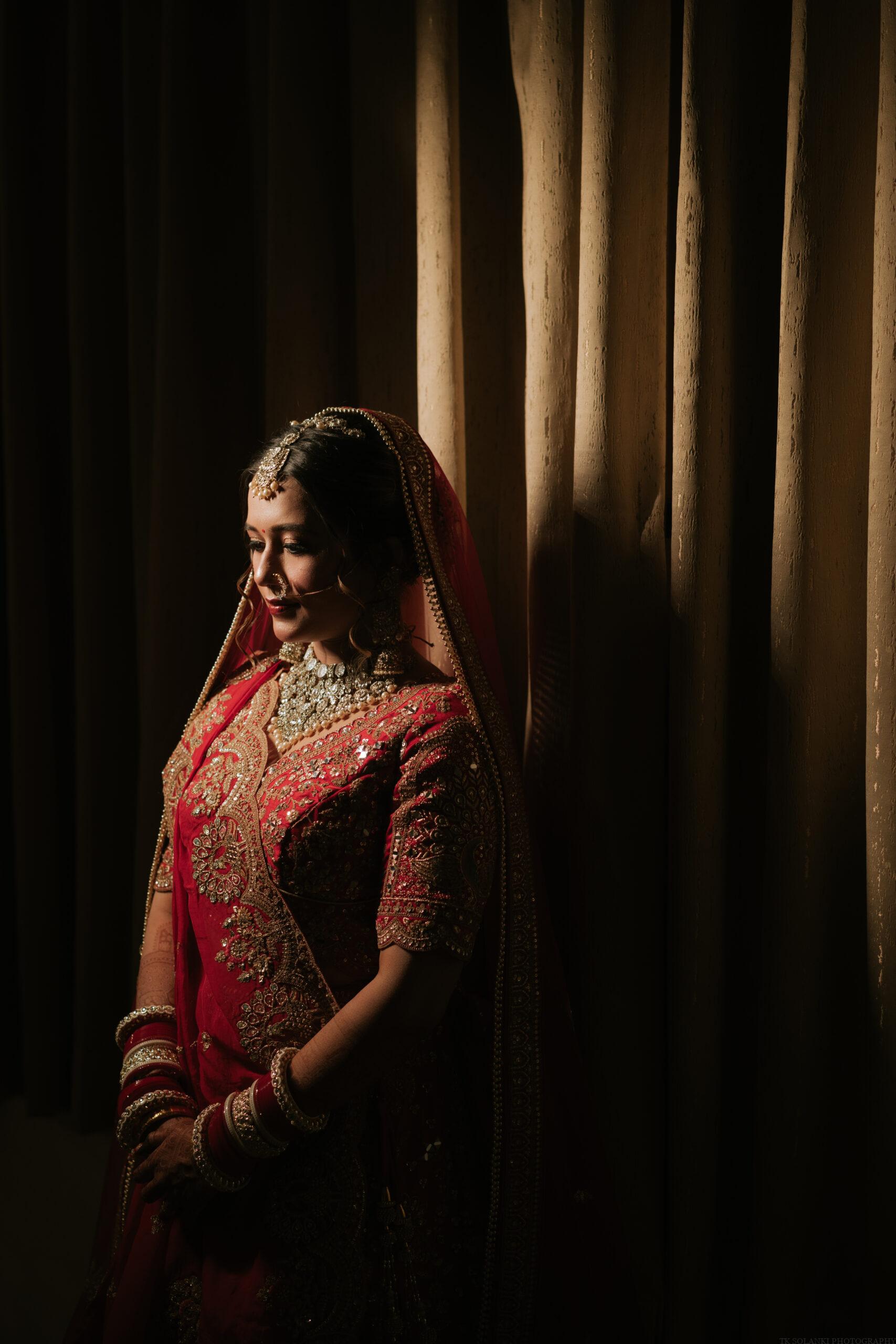
A room with a window can be useful even when the ceremony is outdoors. Keep a small space beside it clear of suitcases, food containers and spare clothes. The photographer can then make quieter portraits without asking the entire preparation team to shift. A chair, a clean section of wall and enough room to move are usually more useful than elaborate room decoration.
Window light may be bright or uneven depending on its direction, curtains and nearby buildings. Let the photographer decide whether to use it, supplement it or choose another corner. Avoid promising yourself a particular reference photograph before the room has been assessed. Keep changing space private and tell the team which parts of getting ready you are comfortable having photographed.
Consider clothes, flowers and reflective surfaces
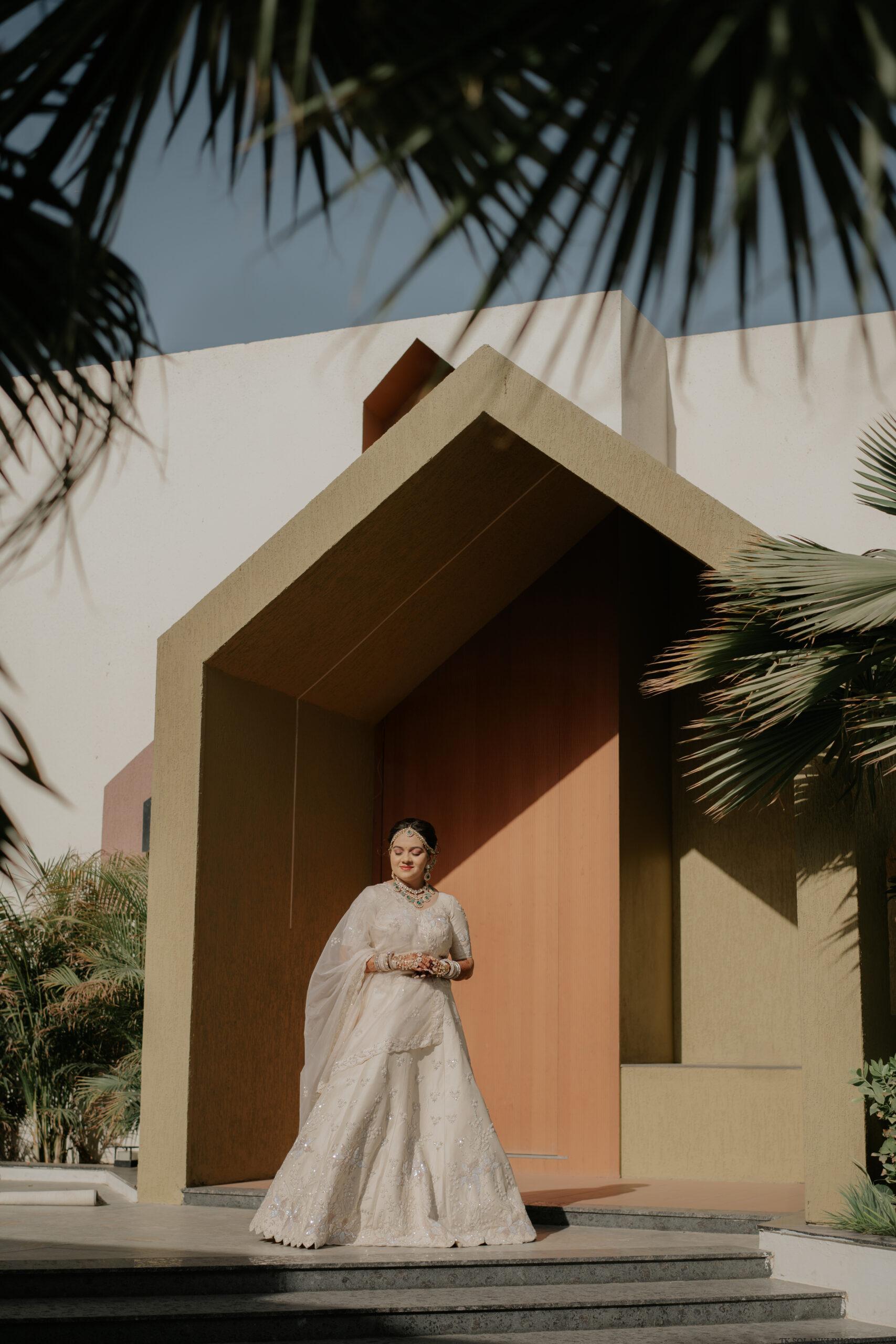
Ivory clothing, reflective jewellery and pale floral decoration can look beautiful in daylight, but very bright areas need careful exposure. Deep red or dark green clothing may show different detail in shade. This is a reason to share your outfit colours with the photographer, especially if one person will wear a much lighter outfit than the other. It is not a reason to change clothes you love.
Large mirrors, polished panels and shiny stage details can throw distracting reflections towards the seating area. Ask the decorator and photographer to review such surfaces together. If the couple’s faces receive coloured light bouncing from a strong fabric overhead, the final skin tones may also need more attention. Practical placement decisions can reduce these issues without changing the overall decoration concept.
Keep documentary coverage moving
Natural light changes while the wedding continues. A ceremony that starts in open shade may later receive direct sunlight. Give the photographer permission to move discreetly when necessary, while respecting the priest’s instructions and the family’s preferences. A fixed camera position chosen only for symmetry can become unhelpful as the sun moves or relatives gather around the couple.
Explain the sequence of your ceremony and any family-specific customs in advance. The team should know which moments are brief and which involve parents or grandparents stepping forward. The wedding photography service discussion is a good place to connect these requirements with the coverage plan. Daytime lighting is one part of the brief; meaningful expressions and unobstructed access are equally important.
A practical daytime planning table
| Area | What to check | Planning response |
|---|---|---|
| Mandap | Sun patches across the couple’s seats | Review seating direction and canopy coverage |
| Family seating | Shade for parents and elders | Keep the ceremony group comfortably together |
| Portrait corner | Nearby shade and a simple background | Reserve a brief gap without a long walk |
| Bridal room | Window position and available floor space | Clear one usable corner before preparations begin |
| Backup room | Access if weather or heat affects the lawn | Confirm who can authorise a move |
Use this table during your venue conversation rather than as a final checklist sent on the wedding morning. Some changes require coordination between vendors. Assign one person to collect the answers so the couple does not become the messenger between the venue, decorator and photography team.
Discuss backup lighting and weather
A natural-light wedding can still need additional lighting. Covered areas, rooms used later in the day and changing weather may all require it. Ask how the team handles these transitions and where equipment can be placed safely. Guests should not have to step over cables, and lighting stands should not block the entrance or a ritual route.
Agree on a weather response before the event. This means a usable indoor option, a person who makes the decision and a way to tell all vendors. Check whether moving indoors changes the seating plan or ceremony timing. Keep the discussion practical; no photographer can promise identical results under every weather condition, but a clear alternative prevents avoidable confusion when plans change.
Review full daylight wedding galleries
When comparing photographers, ask to see complete examples with daytime ceremonies. Look beyond a handful of couple portraits. Check family groups, close views under the mandap, candid guest photographs and moments where people move between sun and shade. You are looking for faces that remain readable and a gallery whose colour feels consistent across different parts of the celebration.
The wedding stories portfolio can help you explain which type of coverage you prefer. Ask about any example that resembles your venue arrangement. A relevant conversation is more useful than assuming that a bright outdoor portrait proves the same approach will suit a deeply shaded ceremony. Also discuss the balance between close moments and wider photographs that show the atmosphere.
Frequently asked questions
Should we move our ceremony time purely for photographs?
Start with your ritual, family and venue requirements. If there is flexibility, your photographer can advise on the light. A short portrait window may solve the photography need without changing the ceremony itself.
Can we have good photographs during a midday ceremony?
Yes, but the available shade, lighting approach and camera access will matter. Share the actual layout rather than relying on the time alone. Harsh light can be managed, although it will not look identical to soft window light.
Do all family portraits need to happen outdoors?
No. A nearby covered or indoor space may be more comfortable and consistent. Choose a location where relatives can gather easily, especially elders, and keep the group list short enough to fit the schedule.
Plan your daytime wedding coverage
For a useful enquiry, send your wedding date, Ahmedabad venue, ceremony time, approximate event sequence and any mandap layout you already have. Mention whether the ceremony is fully outdoors, covered or inside a room with natural light. Contact TK Solanki to discuss a photography plan that gives your ceremony proper attention and makes room for comfortable daylight portraits.