
What to Pack for a Pre-Wedding Shoot in Ahmedabad
October 12, 2026
Wedding Photography and Films in Ahmedabad: Building One Coverage Plan
October 12, 2026
Engagement Photography in Ahmedabad: A Couple’s Coverage Guide
Engagement photography in Ahmedabad often involves two different priorities: documenting the family occasion and making photographs of the couple together. A ring exchange may take only a short time, while greetings, portraits and celebrations fill the rest of the event. The coverage needs to account for both without making you feel that the whole occasion has become a portrait session.
This guide helps couples plan an engagement photography brief around the real event. Whether your celebration is at home, in a banquet or at another booked space, the useful questions concern timing, family groups, preparation and the moments you want preserved. The right coverage scope follows those details rather than the event label alone.
Explain what your engagement includes
Start by describing the programme to the photographer. Is there a formal ring exchange, a family ritual, speeches, performances or a meal? Will the couple enter together, arrive separately or meet at the venue? Do not assume the team knows your family’s order of events.
Include the approximate guest count, venue and preparation locations. A small gathering can still need thoughtful planning when activities overlap. If one family welcomes guests while the couple prepares elsewhere, explain which parts matter and ask how the team can cover them within the agreed scope.
Discuss wedding and family-event photography coverage with the actual engagement details. Ask for a proposal that names the event, hours and deliverables. Clear scope is more useful than a general promise to photograph the whole function without defining when coverage begins and ends.
Protect the ring exchange without staging the occasion
Tell the photographer where the exchange will happen and how the couple and family are likely to stand. If the organiser has planned a stage arrangement, share it in advance. The camera team needs a suitable line of sight without competing with relatives who want to watch closely.
Ask a family coordinator to help keep the immediate area clear at the important moment. That person can also tell the photographer when the programme is about to begin. Avoid making the couple track the team while greeting guests. A short signal from someone responsible for the schedule is enough.
If you want a close photograph of the rings, mention it beforehand and allow a moment when they are available. The photographer can document the exchange as it happens and make a separate detail picture without requiring repeated ceremonial actions. Keep the event’s meaning ahead of a reference image that needs a particular arrangement.
Set aside a realistic couple portrait slot
Choose a time when both people will be ready and the venue allows access. Before guests arrive can be convenient in some arrangements, but preparation and entry must support it. If that is unrealistic, discuss another slot rather than assuming the couple can disappear during the busiest part of the programme.
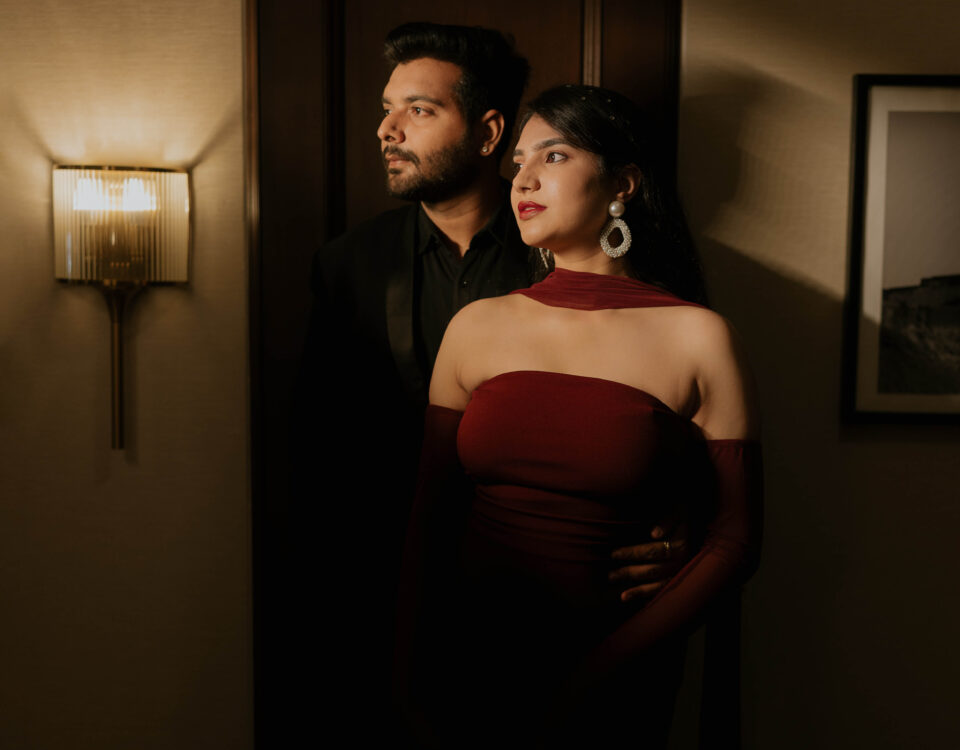
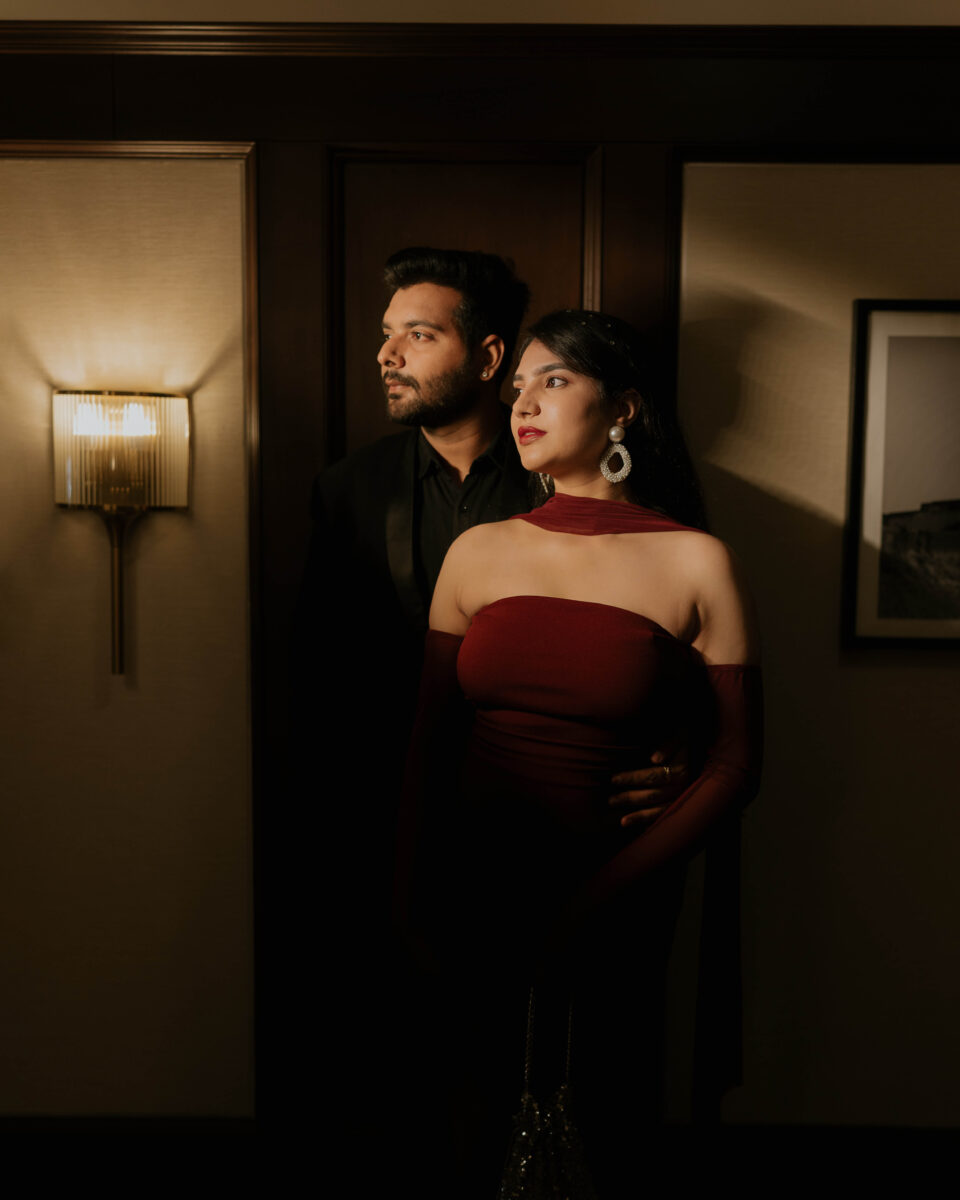
Explain how much direction you want. Some couples enjoy formal portraits in engagement clothing; others prefer a short relaxed sequence. Tell the photographer which poses feel comfortable and which do not. A small number of considered references can guide the session without creating a long checklist.
Ask where portraits can be made within the venue. A simple corner with suitable light may work better than a decorated stage that remains busy. Check whether moving to another area affects family expectations or the programme. The portrait plan should fit the occasion, not leave guests wondering where the couple has gone.
Organise family groups around relationships
Write a concise list of the essential groups. Include both families, important elders and any relationship the photographer would not know from appearance. Use names where necessary and give the list to a coordinator who can locate people.
Decide when the groups will happen. A defined slot prevents requests from interrupting every conversation. If the event naturally includes stage greetings, ask how those pictures relate to the formal family list. You may want a smaller set of carefully arranged portraits alongside a broader record of guest interactions.
Consider comfort for elders and anyone who has difficulty standing. Check whether seating is available in the chosen portrait area. Tell the team about practical needs without making assumptions based only on age. Organised groups work best when people can move and wait comfortably.
| Part of the event | Information to share | Planning action |
|---|---|---|
| Preparation | Where each person gets ready | Confirm whether this is included in coverage |
| Ring exchange | Location and expected order | Give the team a clear view and a programme signal |
| Couple portraits | Preferred style and available time | Reserve a workable slot |
| Family photographs | Essential groups and coordinator | Arrange people in a defined sequence |
| Guest interactions | Important relationships or visiting relatives | Allow coverage away from the stage |
| Speech or performance | Who participates and when | Coordinate photo and film roles if needed |
Check the room and lighting with the team
Share photographs or practical details of the venue where possible. Ask the photographer what they need to know about the stage, room layout and decorative lighting. A venue can look bright to your eyes while particular lighting creates difficult colour or shadows on faces.
If a decorator or lighting provider is involved, connect them with the photography team for any relevant discussion. The aim is to understand the arrangement, not to redesign the entire event around cameras. A small adjustment to where people stand or how the portrait area is lit may help when it is feasible.
Keep space for the team to move respectfully. Tables, guests and a tightly packed stage can affect angles. Ask where bags and equipment can stay so they do not become part of the event flow. Clear working space helps the team record real interactions without repeatedly asking people to move.
Give clothing and details time of their own
If you would like photographs of jewellery, invitations or engagement outfits, make those items available during the agreed preparation coverage. Do not assume the photographer will know where a meaningful object is kept. Tell them why it matters and who can provide it.
Try the outfit before the function, including sitting and the movement likely during the exchange. Comfortable clothing helps you concentrate on the occasion. If an accessory needs support or frequent adjustment, arrange a helper who understands it. The photographer can guide a pose, but should not be the person managing every clothing detail.
For ring details, decide whether you prefer pictures of the rings alone, on hands or during the exchange. You do not need every variation. Choose what is meaningful and allow time without leaving the couple separated from guests for too long.
Coordinate film if it is part of the booking
An engagement film may involve speeches, reactions and sound from the event. Ask what is included and who records audio if you want spoken moments preserved. Photography coverage alone does not automatically include a usable recording of a speech.
Share the programme with both photo and film teams. If a performance or entrance happens only once, they need to know where to be and what to expect. When providers are separate, introduce them in advance and agree how they share the stage area.
Decide whether you need an early announcement clip or photographs for sharing. Give the team the deadline before booking. A complete gallery and an early selection may follow separate arrangements. Keep the scope in writing so you know exactly what will be supplied.
Use the engagement to understand your preferences
An engagement session can help you learn how you feel in front of the camera. Notice whether you enjoy direct posing, gentle prompts or less interruption. Share that feedback with your photographer if they will also cover the wedding. It can make later planning more specific.
Look through the wedding stories portfolio for family interactions and portrait style. Explain which examples feel close to your expectations. Compare that with the actual engagement programme rather than requesting a wedding-sized production for a much smaller occasion.
If the engagement and wedding are booked together, ask what terms apply to each event. Confirm dates, services and delivery separately where needed. Combining bookings should simplify planning without leaving either occasion vaguely described.
Frequently asked questions
Is preparation photography necessary for an engagement?
It is a preference and a scope decision. Include it if the preparations, clothing or family interactions matter to you. Tell the photographer where they happen and ask what extra time or team planning is needed.
Can we do couple portraits during the function?
Yes, if the programme and family expectations allow a suitable slot. Discuss where you will go and how long you can be away. A planned short session is easier than trying to fit portraits between repeated guest requests.
How many family groups should we list?
List the groups that you would be disappointed to miss, then discuss what fits the time. Nominate a coordinator and identify important people clearly. Keep the list manageable so the occasion still has room for conversation and candid moments.
Discuss your Ahmedabad engagement
Send TK Solanki Photography your engagement date, venue, programme and portrait priorities. Mention whether you need preparation coverage, film or an early announcement selection. Enquire about engagement photography in Ahmedabad with those details to discuss a coverage plan around your celebration.